The portable handheld ultrasonic flowmeter is a lightweight, easy-to-use flow measurement tool designed specifically for on-site, temporary, or mobile liquid flow measurement. They typically use non-invasive clamp-on sensors that can be quickly installed and removed without shutting down production or cutting pipes.
Main Components
Ultrasonic Sensor (Transducer): Typically clamp-on, it is directly mounted on the exterior of the pipeline and is responsible for transmitting and receiving ultrasonic signals. Depending on the pipeline size and application requirements, different sizes and types of sensors may be used.
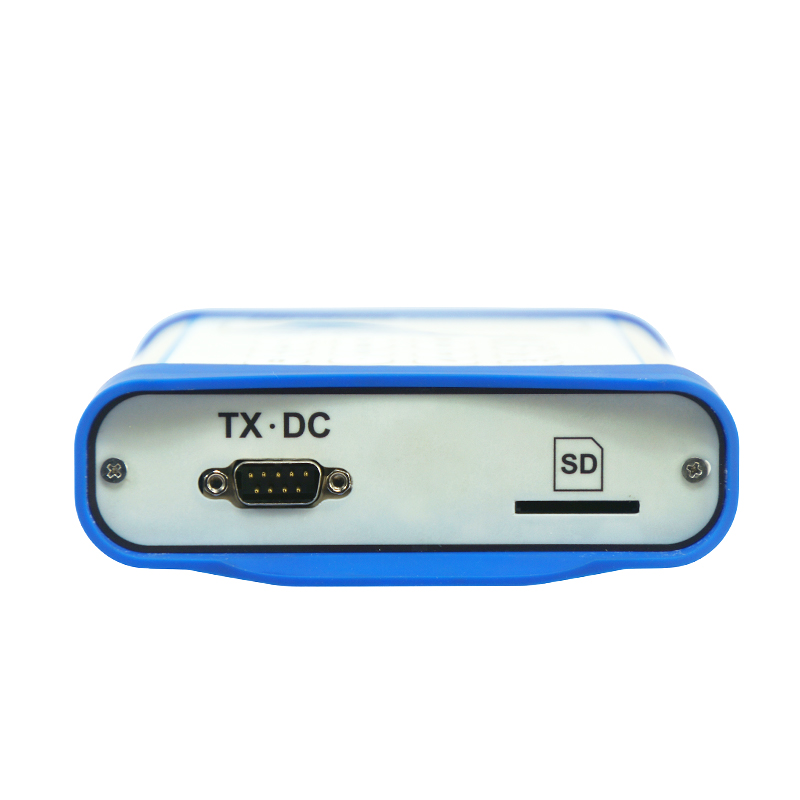
Handheld signal converter (main unit): This is the core component of the flow meter, containing electronic circuits, a microprocessor, a display screen, and control buttons. It processes sensor signals, calculates flow rates, and displays the results. As it is portable, it is typically designed to be lightweight and durable, with a built-in rechargeable battery.
Additionally, the following accessories may be included:
Coupling agent: Used to enhance the transmission of ultrasonic signals between the sensor and the pipe.
Sensor mounting strap or clamp: Used to securely attach the sensor to the pipe.
Charger: Used to charge the built-in battery of the main unit.
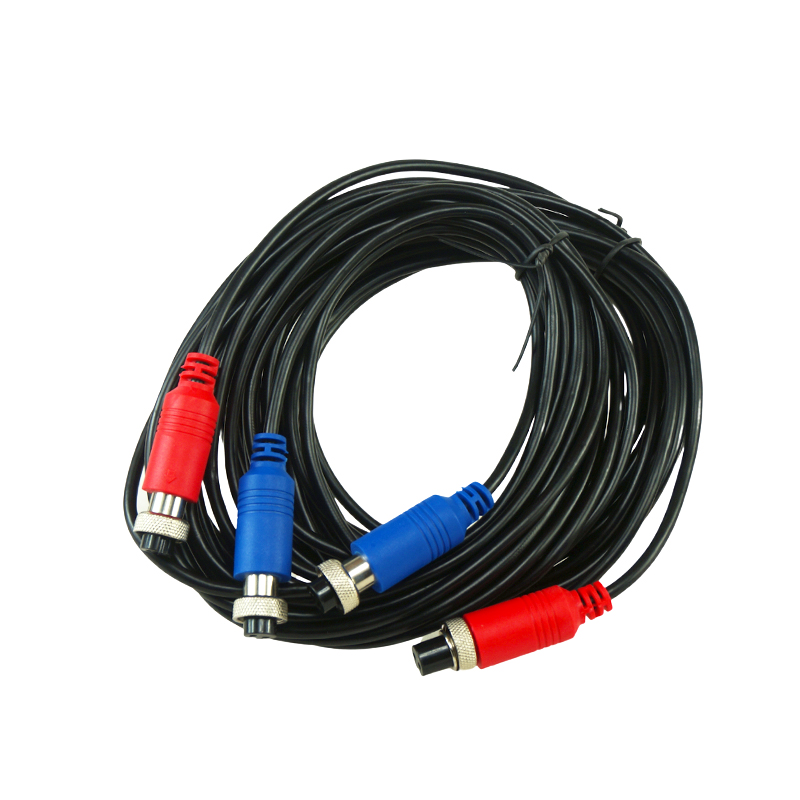
Data cable: Used to transfer stored data to a computer for analysis.
Carry case: Used to store and transport the flow meter and its accessories.
User manual: Provides instructions for using and maintaining the instrument.
Features
Lightweight and compact, easy to carry
Handheld operation
Battery-powered
Non-invasive measurement (typically)
Quick installation and removal
Built-in display and user interface
Data storage functionality
Wide range of applications
Cost-effective (in specific scenarios)
Applications
Fault diagnosis and troubleshooting: When abnormal flow or faults occur in a pipeline system, a handheld flow meter can be used to quickly locate the issue, such as checking pump performance or valve leaks.
Temporary flow monitoring: In scenarios where short-term monitoring of specific pipeline flow is required without the need for permanent flow meter installation, such as process adjustments or experimental research.
Equipment inspection and maintenance: Maintenance personnel can use handheld flow meters to regularly check flow at critical points in pipeline systems and assess equipment operating conditions.
New system commissioning and startup: After the installation of a new pipeline system, handheld flow meters can be used for flow verification and system commissioning.
Measurement of hard-to-reach pipelines: For pipelines located in high places, narrow spaces, or other areas where fixed flow meters are difficult to install, handheld flow meters provide a convenient measurement solution.
Calibration and comparison of existing flow meters: They can be used as a reference standard to calibrate or compare the accuracy of installed fixed flow meters.
Leak detection: By measuring flow at different locations in the pipeline, potential leak points can be identified.
Water resource management: In fields such as agricultural irrigation and water resource monitoring, they can be used for rapid measurement of flow rates in channels or pipelines.
Emergency situation handling: In cases of pipeline ruptures or other emergencies, they can quickly measure flow rate changes to assist in assessing the situation.
| Brand | Apure |
|---|---|
| Model | MHC |
| Measurement range | 0~±10m/s |
| Accuracy | flow rate is better than ±1% |
| Display | 2 x 10 Chinese backlit characters or 2 x 20 character LCD display, support |
| Flow direction | Positive and negative two-way metering, and measure positive, negative, net cumulative flow / heat |
| Data interface | RS485 serial turbulence, can be upgraded by PC computer, support MODBUS and other protocols |
| Signal output | 1 channel 4-20mA current output 1 relay output 1 channel OCT pulse output (programmable between 6~100ms pulse width, default 200ms) |
| Power supply | Ac85~264V or Dc8~36V |
| Media turbidity | ≤ 2000pm and small bubble content |
| Applicable pipe | Carbon steel, stainless steel, copper, PVC, aluminum, fiberglass and other uniform and dense pipes, allowing lining |