
In modern industrial flow measurement, the Ultrasonic Flow Meter has become a preferred solution in water treatment, HVAC systems, and process industries. Its ability to measure flow without contacting the fluid or interrupting operations makes it highly attractive.
However, many projects fail to achieve expected accuracy—not because of the product itself, but due to incorrect selection of type and installation method.
What Is an Ultrasonic Flow Meter?
An ultrasonic flow meter measures fluid velocity using sound waves. The two main measurement principles are:
- Transit-Time Method – for clean liquids
- Doppler Method – for liquids containing particles or bubbles
Based on installation, ultrasonic flow meters can also be categorized into:
- Clamp-on
- Insertion
- Inline (spool piece)
Technology + Installation = Performance
Overall Advantages of Ultrasonic Flow Meters
Non-Intrusive Measurement
- No pipe cutting or shutdown required
- Ideal for retrofit projects and continuous processes
No Pressure Loss
- No obstruction in the flow path
- Maintains system efficiency
Low Maintenance
- No moving parts → minimal wear
- Long service life
Wide Pipe Size Range
- Suitable from small pipes to very large diameters
- Especially advantageous for DN1000+ systems
High Flexibility
- Portable models for temporary measurement
- Ideal for diagnostics, audits, and verification
Overall Disadvantages
Sensitive to Fluid Conditions
- Air bubbles, solids, or turbulence can affect accuracy
- Clean flow conditions are often required (Transit-Time)
Installation-Dependent Accuracy
- Requires proper straight pipe length (typically 10D upstream / 5D downstream)
- Sensor alignment and coupling are critical
Pipe Condition Limitations
- Lined, corroded, or scaled pipes can reduce signal quality
Higher Initial Cost
- More expensive than mechanical flow meters
- However, lower lifecycle cost
Advantages and Disadvantages of Different Ultrasonic Flow Meter Types
Transit-Time Ultrasonic Flow Meter
Advantages:
- High accuracy (up to ±0.5%)
- Excellent stability and repeatability
- Widely used in clean liquid applications
Disadvantages:
- Not suitable for dirty or aerated fluids
- Highly sensitive to bubbles and suspended solids
Best for: clean water, purified water, cooling systems
Doppler Ultrasonic Flow Meter
Advantages:
- Works with dirty liquids containing solids or bubbles
- Easier installation
Disadvantages:
- Lower accuracy (±1% to ±3%)
- Requires particles or bubbles to function
Best for: wastewater, sludge, slurry

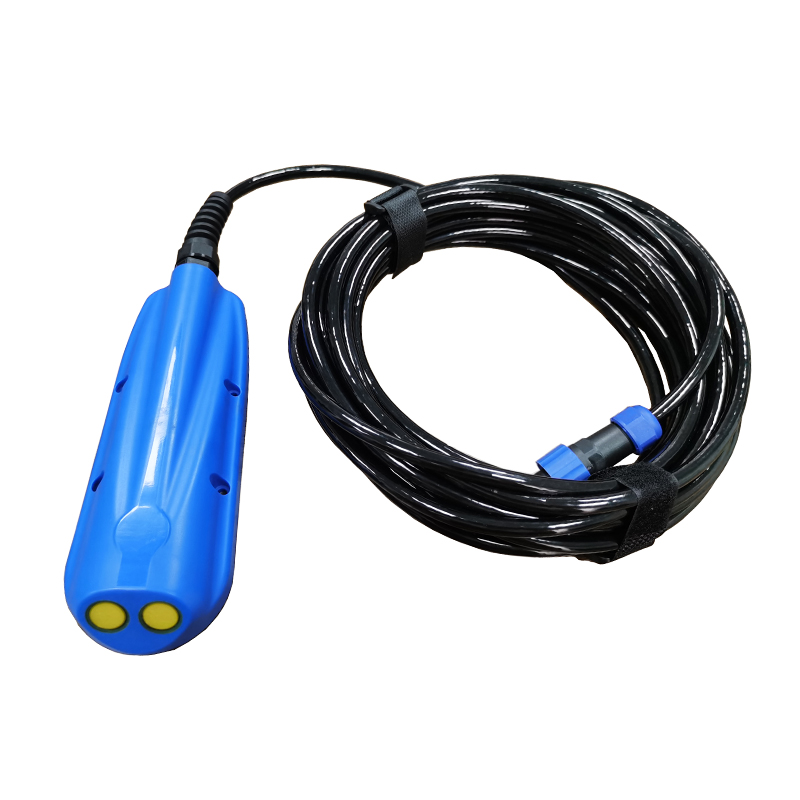
Clamp-on Ultrasonic Flow Meter
Advantages:
- No pipe modification or shutdown
- Fast installation
- No leakage or contamination risk
Disadvantages:
- Accuracy depends heavily on installation
- Sensitive to pipe condition
Best for: retrofit projects, temporary measurements

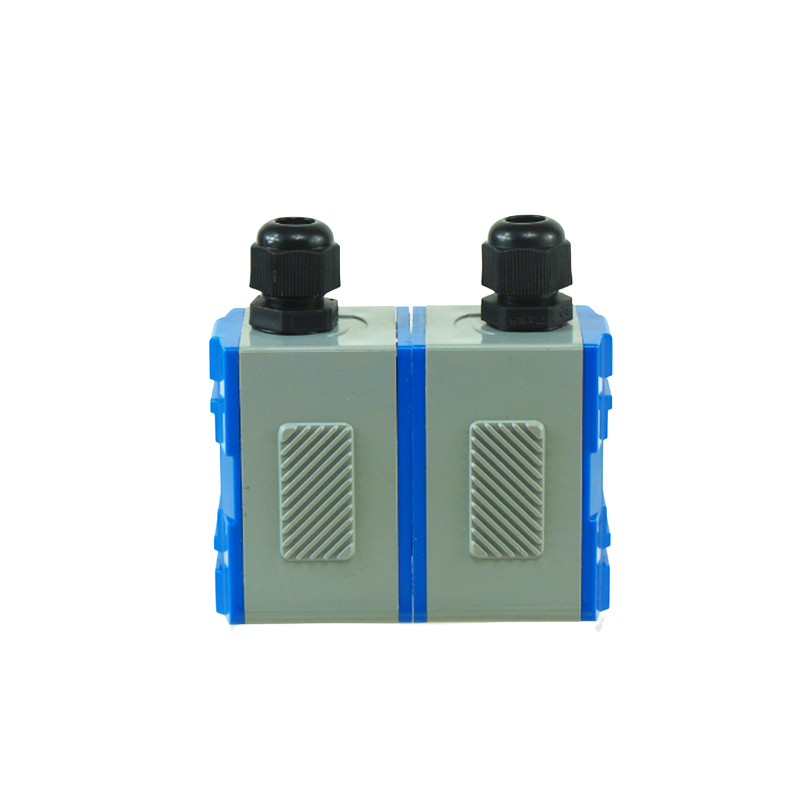
Insertion Ultrasonic Flow Meter
Advantages:
- Better accuracy than clamp-on
- Suitable for large pipes
- Cost-effective for permanent monitoring
Disadvantages:
- Requires pipe drilling
- Potential leakage risk
- More complex installation
Best for: large pipelines, long-term monitoring
Inline Ultrasonic Flow Meter
Advantages:
- Highest accuracy (up to ±0.2%)
- Excellent stability
- Strong resistance to interference
Disadvantages:
- Highest cost
- Requires pipe cutting and installation
Best for: custody transfer, critical process control
Ultrasonic Flow Meter Type Comparison
| Type | Accuracy | Installation | Shutdown Required | Best For |
| Transit-Time | High | Medium | No | Clean liquids |
| Doppler | Medium | Easy | No | Dirty liquids |
| Clamp-on | Medium | Easy | No | Retrofit |
| Insertion | Medium-High | Medium | Yes | Large pipes |
| Inline | Very High | Complex | Yes | High-precision |
How to Choose the Right Ultrasonic Flow Meter
Step 1: Evaluate the Fluid
- Clean liquid → Transit-Time
- Dirty liquid → Doppler
Step 2: Check Installation Constraints
- No shutdown → Clamp-on
- Installation allowed → Insertion or Inline
Step 3: Define Accuracy Requirements
- General monitoring → Clamp-on
- High-precision → Inline
Summary
Ultrasonic flow meters are not a single standardized device, but rather a family of technologies whose performance depends on proper matching with real operating conditions. The effectiveness of any ultrasonic flow meter is determined by the alignment of measurement principle (transit-time or Doppler), installation method (clamp-on, insertion, or inline), and application conditions (fluid type, pipe condition, and flow profile). In practice, selecting the correct type for the specific scenario is far more critical than simply choosing a well-known brand.
At Apure Flowmeter, we provide a complete range of ultrasonic flow meters. Our team offers application-based selection support, ensuring each solution is optimized for your specific operating conditions. Contact us today to get expert guidance and a tailored quotation.